
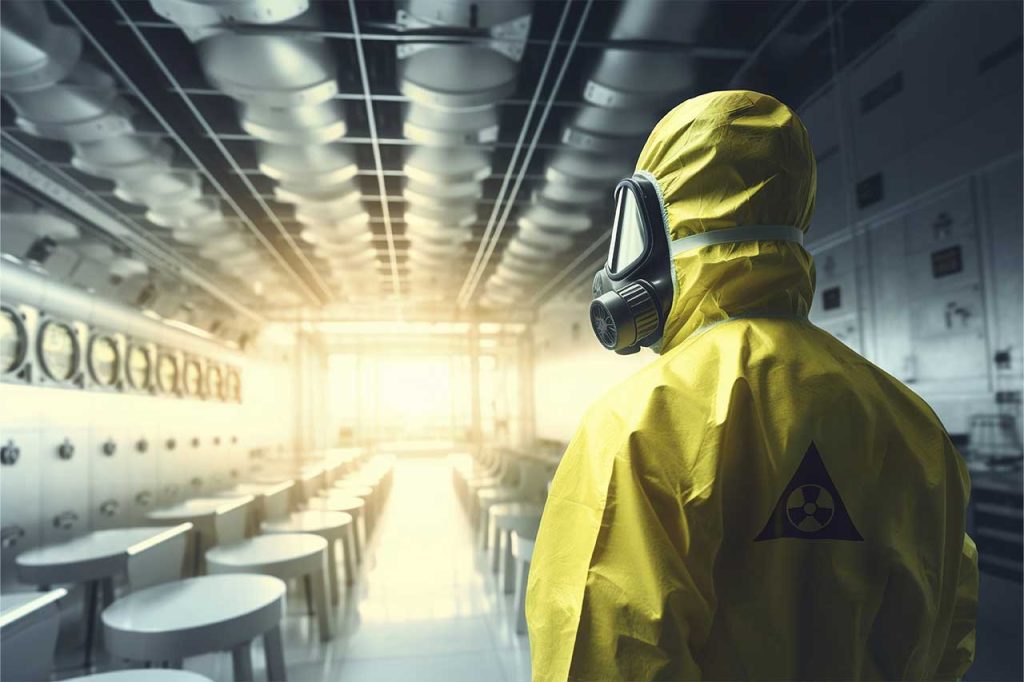
In the workplace, the safety and health of workers is of primary importance. Among the various workplace hazards, chemical and biological hazards pose a significant challenge to employee safety. These risks can arise from a wide range of sources, including materials, substances, and processes used daily in multiple industrial and research sectors.
“Every worker has the right to operate in an environment that respects his or her health and safety.”
INAIL
What is a chemical risk?
Chemical risk refers to the possibility that a worker may be exposed to hazardous chemicals that may cause harm to health or safety. These substances can be present in the form of liquids, gases, dusts, fumes or vapours and can be absorbed by the body through inhalation, ingestion or contact with the skin.
Chemicals can have acute effects, causing immediate damage such as irritation or burns, or chronic effects, which occur over the long term, such as allergies, sensitization, or more serious diseases such as cancer. Some examples of chemical hazards include exposure to solvents, pesticides, heavy metals, and carcinogens.
Chemical risk assessment is a key element of the Risk Assessment Document (DVR), which every employer is required to draw up and update.
This assessment involves identifying the chemicals present in the workplace, understanding the routes of exposure, and estimating the intensity and duration of exposure, in order to take the most appropriate preventive and protective measures .
Informing workers about chemical hazards and providing appropriate training is essential to ensure their safety and health.
The use of personal protective equipment (PPE), the proper ventilation of rooms and the replacement of the most hazardous substances with safer alternatives are important practices to minimize chemical risks in the workplace.
Identification of chemical hazards in the workplace
In the workplace, the identification of chemical hazards is a fundamental step in ensuring the safety and health of workers. Chemical hazards are associated with the presence of substances that may cause harm to human health or the environment, as a result of exposure, inhalation, ingestion, or skin contact.
To correctly identify these risks, it is necessary to carry out a detailed analysis of the materials and substances used in work processes, considering the safety data sheets provided by the manufacturers, which list composition, hazard, first aid measures and precautions for safe use.
A thorough risk assessment must take into account several factors, such as the amount of substance used, the frequency of exposure, the routes of exposure, and the individual susceptibility of workers.
For example, a chemical laboratory might use volatile solvents that, if not properly managed, can evaporate and pollute indoor air, posing a risk to technicians’ respiratory health. Similarly, in a manufacturing industry, contact with strong acids or bases without the use of personal protective equipment (PPE) can cause severe skin burns.
To mitigate these risks, it is essential to implement control measures, such as the use of fume hoods, the replacement of hazardous substances with safer alternatives, the adoption of standardized operating procedures, and the continuous training of workers on how to behave in the presence of chemicals.
In addition, environmental monitoring and periodic health surveillance of workers are key tools to detect any harmful exposures early and prevent long-term health consequences.
Identifying chemical hazards is a complex process that requires specific skills and a systematic approach, but it is essential to create a safe working environment that complies with current occupational health and safety regulations.
What is a biohazard?
Biohazard is a hazard category that refers to the presence of microorganisms, such as bacteria, viruses, fungi, and parasites, that can come into contact with humans and cause disease, infection, or other adverse health conditions.
This type of risk is Particularly relevant in workplaces where workers may be exposed to such agents, such as hospitals, laboratories, waste treatment plants, and also in more common environments such as offices and schools, where transmission of infectious diseases can occur through direct or indirect contact.
A clear example of a biohazard can be healthcare personnel who are exposed to blood or other bodily fluids that could contain pathogens such as HIV or hepatitis. Similarly, workers who handle biological waste or who are in contact with animals may encounter biological hazards through accidental exposures.
To assess and manage biohazard, companies must implement a Risk Assessment Document (DVR), which identifies potential hazards and establishes control measures to protect workers. These measures may include safety training, the use of personal protective equipment (PPE), vaccination, and hygiene and disinfection procedures.
Informing workers about biohazards and proper safety practices is essential to prevent the spread of disease and ensure a safe and healthy working environment. Awareness and prevention are the keys to mitigating the risks associated with biological agents in the workplace.
Identification of biological hazards in the workplace
In the workplace, the identification of biological hazards is a crucial step in the management of workers’ safety and health. Biological hazards are associated with the possible presence of microorganisms, such as bacteria, viruses, fungi, and parasites, which can cause illness to those who are exposed.
These pathogens can be present in a variety of work environments, from research laboratories to healthcare facilities, from farms to waste treatment plants.
In order to correctly identify biological risks, it is necessary to carry out a risk assessment that takes into account various factors, such as the type of work performed, the mode of exposure to pathogens, the presence of transmission vectors and the health conditions of the workers.
For example, in the healthcare sector, staff may be exposed to biohazards when handling biological specimens or coming into contact with infected patients. In agriculture, on the other hand, the risk may arise from contact with contaminated animals or surfaces.
Once potential risks have been identified, it is essential to implement prevention and protection measures, such as the use of personal protective equipment (PPE), training and information for workers, and the adoption of specific safety protocols.
Informing workers about biohazards and safe work practices is essential to reduce the incidence of occupational injuries and diseases. Therefore, a proactive and informed approach is key to ensuring a safe and healthy work environment for all.
Personal Protective Equipment: the shield against risks at work
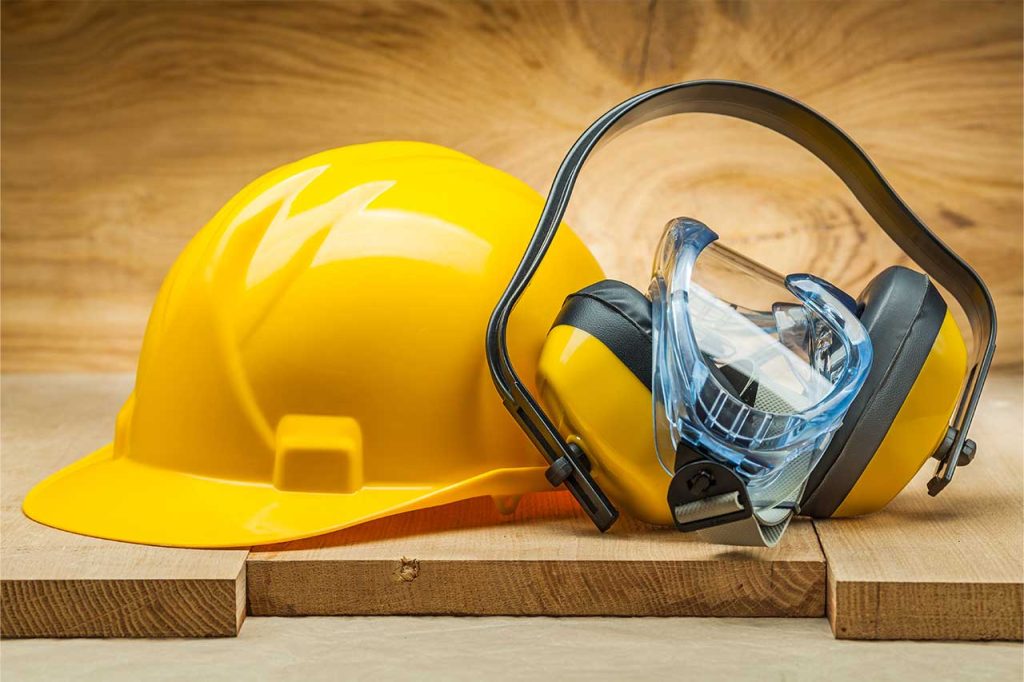
In the workplace, worker safety is of paramount importance, especially when it comes to chemical and biological hazards. Personal Protective Equipment (PPE) plays a crucial role in preventing accidents and ensuring that employees are adequately protected from potential hazards. Below, a table outlines some of the main PPE used to mitigate chemical and biological risk:
| PPE Category | Device | Description | Utilization |
|---|---|---|---|
| Respiratory protection | Respirator masks | Protect against toxic vapours or dusts | Used in the presence of airborne chemical or biological agents |
| Eye protection | Safety goggles | Protect against splashes or splashes of chemicals | Worn when handling chemicals |
| Face protection | Visors | Shield the entire face from splashes or debris | Use in laboratories or splash-prone environments |
| Hand protection | Protective gloves | Safeguard hands from irritating or corrosive chemicals | Worn for direct handling of hazardous substances |
| Body protection | Protective gowns | Cover the body to protect against contamination | Used in environments where there is a risk of contact with hazardous agents |
This PPE is essential for creating a safe working environment that complies with current regulations. Their proper selection, use, and maintenance are key steps in chemical and biological risk management, as outlined in the Risk Assessment Document assessments.
Risk Assessment: The Role of DVR
In the workplace, risk assessment is a fundamental process to ensure the safety and health of workers. The Risk Assessment Document (DVR) is the key tool that every company must draw up and update to identify hazards and assess risks associated with work activities, including those of a chemical and biological nature.
The risk assessment is divided into several phases: the identification of the hazards present in the workplace, the estimation of the risk associated with each hazard in terms of probability and severity, and the identification of the most appropriate prevention and protection measures. The DVR, therefore, is not a mere bureaucratic document, but a detailed map that guides the company in the management of security.
For example, in the case of chemical hazards, the DVR must list all the hazardous substances present, describing their properties, routes of exposure and health effects. For biological hazards, on the other hand, it is necessary to consider the presence of pathogens and possible routes of transmission.
In both cases, the DVR must propose concrete solutions such as training workers, the use of personal protective equipment, or the installation of adequate ventilation systems.
The role of the DVR is, therefore, to provide a clear and current picture of the risks at work and to establish an action plan to control and reduce them. It is a living document, which must be periodically reviewed and updated, especially following changes in production processes or the introduction of new substances or machinery.
Its proper implementation is essential to create a safe working environment and to ensure that every worker is aware of the risks and knows how to behave to prevent them.
and ensure that workers are trained on their proper use.
Prevention and protection measures
In the workplace, prevention and protection from chemical and biological risks is essential for the safety and well-being of workers. Here are the main measures:
- Prevention measures:
- Substitution of harmful substances with less hazardous ones.
- Adoption of safe production processes.
- Implementation of good operational practices.
- Protective measures:
- Risk isolation with personal protective equipment (PPE), such as:
- Masks
- Gloves
- Safety goggles
- Adequate ventilation systems.
- Risk isolation with personal protective equipment (PPE), such as:
- Risk Assessment:
- Each company must carry out a detailed risk assessment, which is part of the Risk Assessment Document (DVR).
- Identify specific threats in the workplace.
- Establish the most appropriate preventive and protective measures.
- Refresher courses and training:
- The evaluation must be conducted regularly and updated with changes in processes or the introduction of new substances.
- Information and training of workers on risks and safety measures.
Promoting a culture of safety at all levels of the company through a proactive and collaborative approach is essential to minimize risks and protect workers’ health.

Protect your health with Bini
In the field of prevention of chemical and biological hazards in the workplace, knowledge is the first step towards safety. However, without the right tools, even the most in-depth of theories remains ineffective. For this reason, Bini is dedicated to offering a wide range of Personal Protective Equipment (PPE) that is essential to combat daily risks in all types of work environments.
Contact us for expert advice on the PPE best suited to your specific needs . Don’t let the complexity of chemical and biological hazards compromise your health or that of your colleagues.


